Mumbai, India's pulsating financial heart, presents a golden gateway for Japanese investors seeking high-yield real estate ventures in...
As Mumbai solidifies its role as India's premier logistics epicenter in 2025, Japanese investors stand to capitalize on a warehousing...
This surge positions Mumbai as a resilient supply chain anchor, with Q3 2025 absorption jumping 64% quarter-on-quarter to 9.2...
In 2025, Mumbai emerges as the epicenter for Indo-Japan trade synergies, with bilateral commerce targeting USD 100 billion by 2030...
Keeping your eye on the ball while performing a deep dive on the start-up mentality to derive convergence on platform integration.
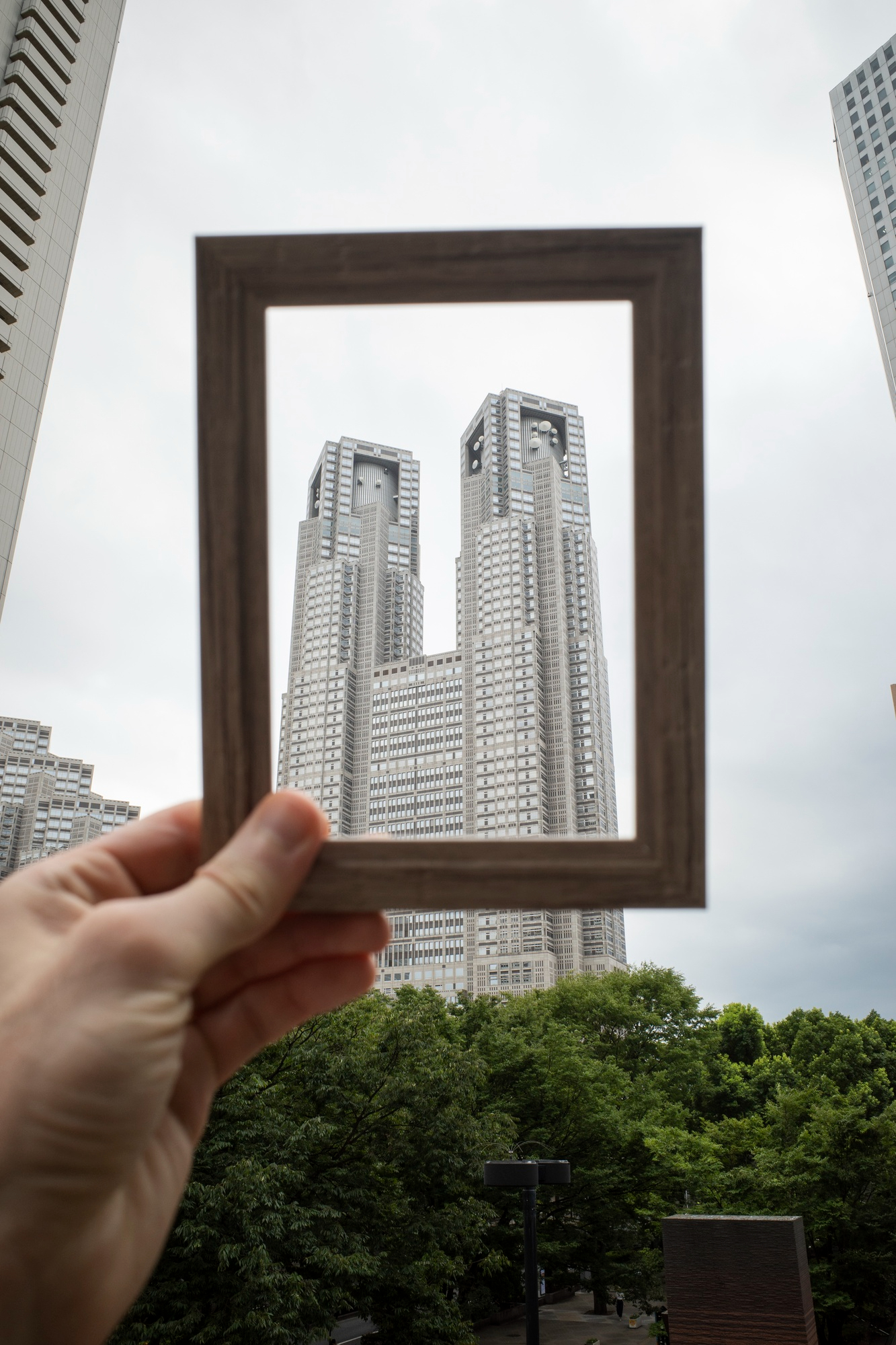
Mumbai, India's pulsating financial heart, presents a golden gateway for Japanese investors seeking high-yield real estate ventures in 2025. With institutional investments surging to over USD 1.2 billion in the first nine months—marking a fourfold leap from previous years—the city's market is rebounding stronger than ever, fueled by redevelopment projects that transform aging infrastructure into modern masterpieces. Japan's ambitious ₹10 trillion yen pledge to India further amplifies these opportunities, channeling funds into premium residential, commercial, and mixed-use developments in prime locales like Bandra Kurla Complex (BKC) and Lower Parel. For discerning Japanese firms, this translates to stable returns through capital appreciation and rental yields, bolstered by Mumbai's status as a global trade nexus.
Redevelopment initiatives in Mumbai are particularly enticing, where land-scarce urban renewal unlocks untapped value by upgrading over 15,000 aging buildings citywide, as highlighted in recent analyses. Japanese investors can leverage expertise in sustainable, earthquake-resistant designs to partner in joint projects, benefiting from tax incentives under the Maharashtra Real Estate Regulatory Authority (RERA) and streamlined FDI approvals. These endeavors not only promise 20-30% ROI over few years but also align with Japan's precision engineering ethos, fostering long-term community impact and portfolio diversification in Asia's fastest-growing metropolis.
Currently, a large-scale redevelopment of more than 15,000 dilapidated buildings is underway in Mumbai. Redevelopment in a limited land supply is expected to increase the value of scarce urban real estate. Japan investors can participate in Japan's high-quality technologies such as earthquake-resistant and environmentally friendly designs as a joint venture (JV)** with local developers.
Additionally, the transparent regulatory environment by the Real Estate Regulatory Authority of Maharashtra (RERA), simplified FDI approval process, and various tax incentives The market environment is in place for overseas investors to easily manage risks.
Mumbai real estate investment is a highly strategic investment opportunity that can achieve high growth and high yields, as well as asset diversification in the Asian market and stable returns in the medium to long term.
USD 1.2 Billion+
(Last 9 months)
About 4 times growth
(compared to past years)
More than 15,000 buildings
(Mumbai city)
20–30%
(within a few years)
USD 1.2 Billion+
Institutional investment in the last 9 months
Institutional investment (last 9 months)
About 4 times growth
Compared to the past few years
4x growth vs previous years
20–30% ROI
Assumptions within a few years
Expected ROI in a few years
More than 15,000 buildings
Buildings to be redeveloped
Buildings under redevelopment
Mumbai stands out as one of Asia’s fastest-growing real estate investment markets toward 2025. In the last nine months alone, institutional investments exceeded USD 1.2 billion, marking a fourfold increase compared to previous years. Prime districts such as Bandra Kurla Complex (BKC) and Lower Parel are witnessing active residential, commercial, and mixed-use redevelopment projects.
Backed by Japan’s ¥10 trillion investment commitment to India,
a transparent regulatory framework under RERA,
and streamlined FDI approvals,
Mumbai offers a high-yield yet well-governed investment environment for global investors.
This opportunity enables investors to achieve both
capital appreciation and stable rental income,
while securing strategic portfolio diversification across Asia.
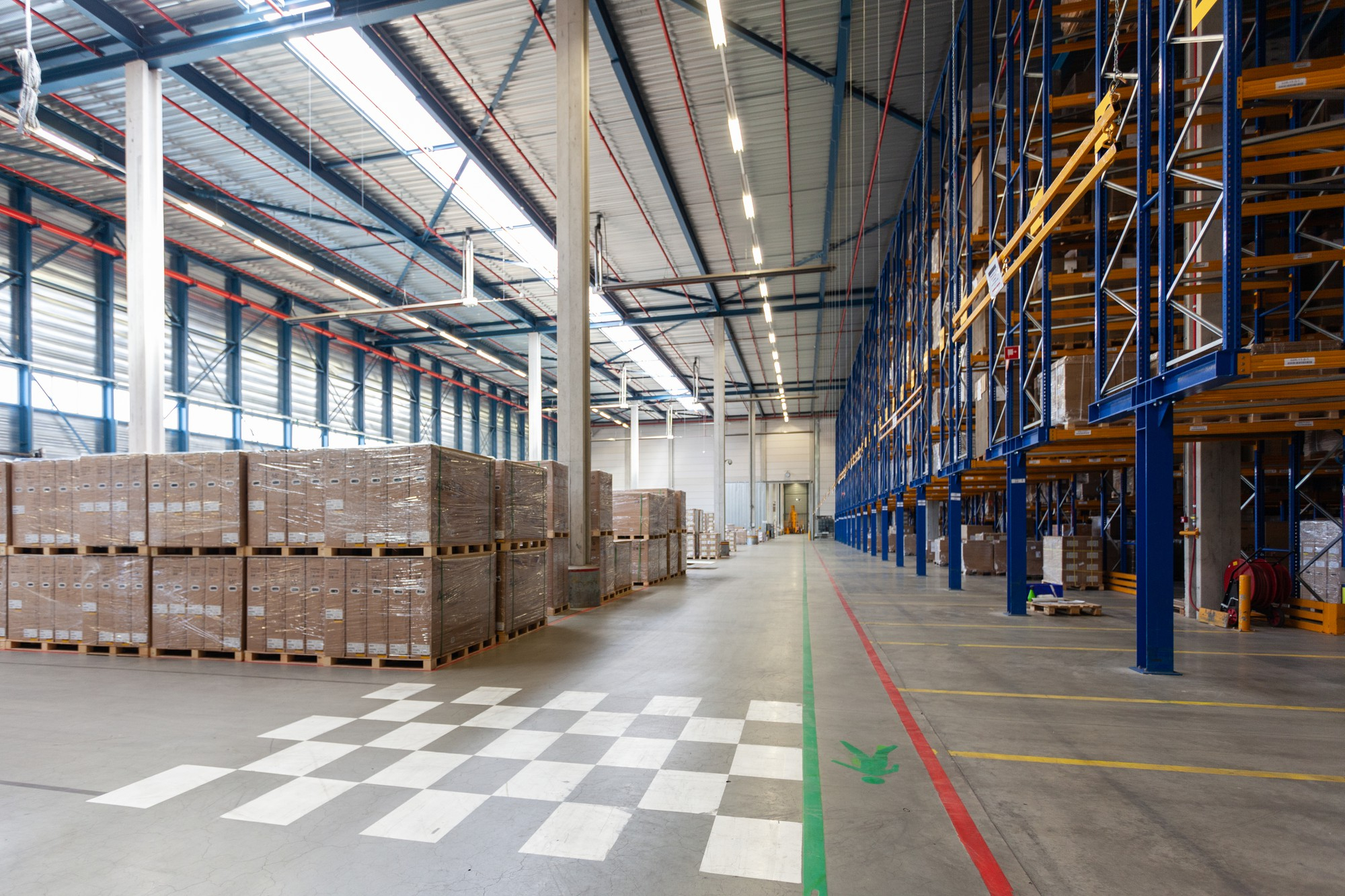
As Mumbai solidifies its role as India's premier logistics epicenter in 2025, Japanese investors stand to capitalize on a warehousing sector exploding with 11% year-on-year demand growth, driven by e-commerce and manufacturing booms. The city's strategic Nhava Sheva port and proximity to consumer markets make it ideal for establishing state-of-the-art hubs, with over 37.5% of national warehousing demand concentrated in the Mumbai-Pune corridor. Foreign investors, including Japanese logistics giants like Nippon Express, can tap into government-backed incentives under the National Logistics Policy, offering subsidized land and reduced duties for tech-enabled facilities that integrate AI-driven inventory systems.
This surge positions Mumbai as a resilient supply chain anchor, with Q3 2025 absorption jumping 64% quarter-on-quarter to 9.2 million square feet, signaling robust expansion potential. For Japanese enterprises, opportunities abound in green warehousing—featuring solar-powered cold chains and automated retrieval—yielding operational efficiencies of up to 25% and aligning with Japan's kaizen principles. By investing here, firms can secure first-mover advantages in serving the ₹1,636 billion Indian warehousing market, while mitigating global disruptions through localized, scalable infrastructure.
11% annual growth
Warehouse Demand (YoY)
11% YoY demand growth
37.5% Concentrated
Concentration rate of national demand
of national demand
+64% QoQ
Absorption Growth Rate (Q3 2025)
Quarter-on-quarter growth
9.2 million sqft
Quarterly absorption area
Quarterly absorption
As we move towards 2025, Mumbai is positioning itself as India's largest logistics and supply chain hub. Against the backdrop of rapid growth in the e-commerce market and manufacturing, warehouse demand is growing by 11% year-on-year.
In particular, access to Nhava Sheva Port (India's largest container port) and proximity to the consumer market mean that the Mumbai–Pune corridor accounts for 37.5% of national warehouse demand. This location advantage provides an ideal environment for building a state-of-the-art logistics hub.
Furthermore, under the National Logistics Policy, foreign investors can take advantage of the following government support measures:
• Land acquisition subsidy
• Customs and tax incentives
• AI support for the introduction of advanced technologies such as inventory management
In the third quarter of 2025, warehouse absorption reached 9.2 million square feet, an increase of 64% compared to the previous quarter. It shows a strong expansion trend in the market.
For Japanese companies, solar-powered cold chains and facilities equipped with automated warehouses and automated transport systems can deliver up to 25% operational efficiency improvements through green warehousing investments.
Investments in this area enable early entry into the Indian warehouse market, valued at approximately ₹1,636 billion, while simultaneously diversifying global supply chain risks.
As Mumbai solidifies its role as India's premier logistics epicenter in 2025, Japanese investors stand to capitalize on a warehousing sector exploding with 11% year-on-year demand growth, driven by e-commerce and manufacturing booms. The city's strategic Nhava Sheva port and proximity to consumer markets make it ideal for establishing state-of-the-art hubs, with over 37.5% of national warehousing demand concentrated in the Mumbai-Pune corridor. Foreign investors, including Japanese logistics giants like Nippon Express, can tap into government-backed incentives under the National Logistics Policy, offering subsidized land and reduced duties for tech-enabled facilities that integrate AI-driven inventory systems.
This surge positions Mumbai as a resilient supply chain anchor, with Q3 2025 absorption jumping 64% quarter-on-quarter to 9.2 million square feet, signaling robust expansion potential. For Japanese enterprises, opportunities abound in green warehousing—featuring solar-powered cold chains and automated retrieval—yielding operational efficiencies of up to 25% and aligning with Japan's kaizen principles. By investing here, firms can secure first-mover advantages in serving the ₹1,636 billion Indian warehousing market, while mitigating global disruptions through localized, scalable infrastructure.
More than 4,000 companies
Number of pharmaceutical and manufacturing-related sites
Manufacturing & pharma units
Export ratio 30%
India National Market Share
of national pharma exports
USD 2 Billion+
Assumed FDI inflows
Projected FDI inflows
15–20% p.a.
Growth rate
Annual growth rate
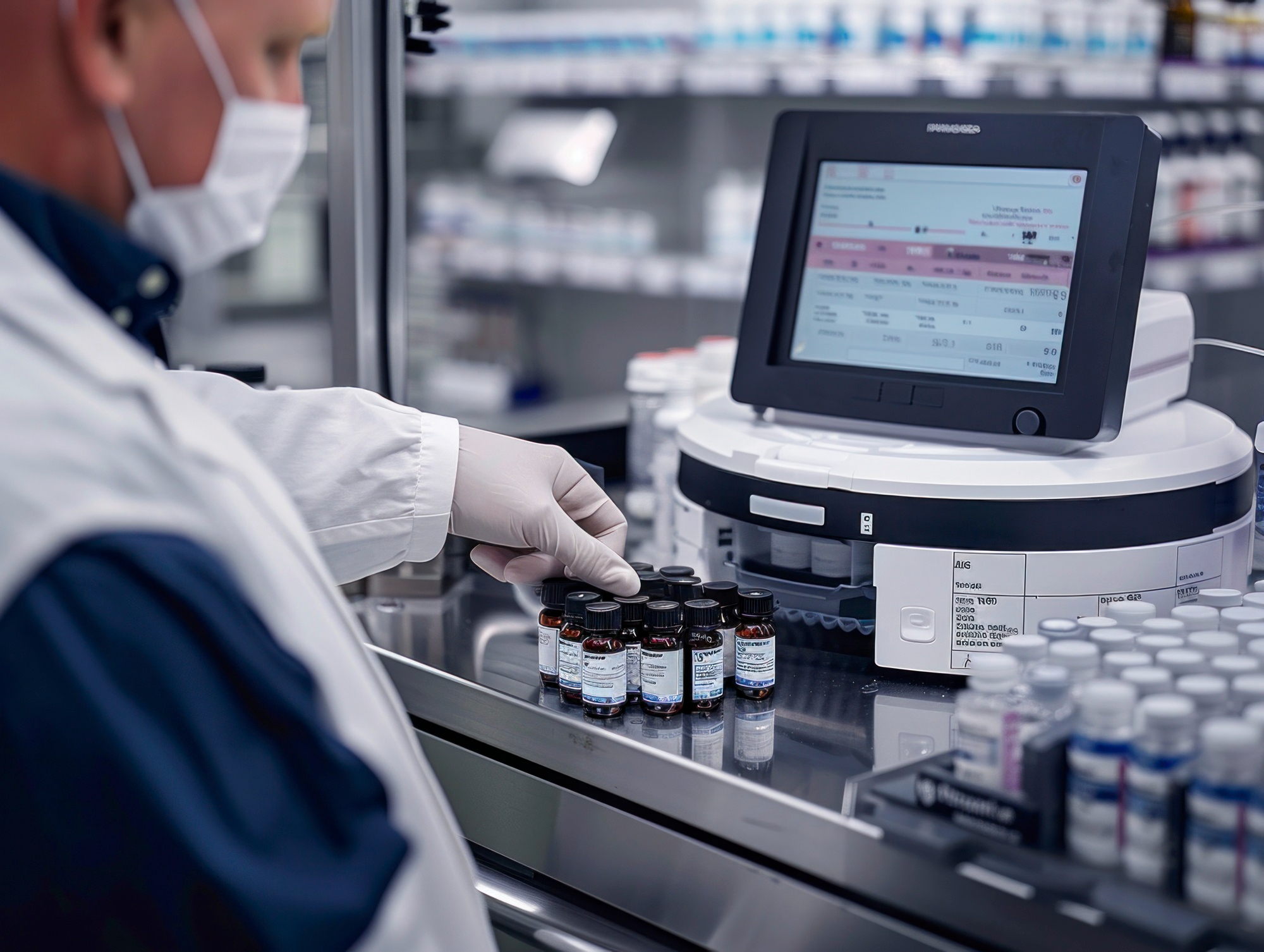
Mumbai offers compelling joint venture (JV) opportunities for Japanese manufacturers and pharmaceutical companies toward 2025, driven by deepening bilateral collaboration in technology transfer and co-development R&D.
As India’s pharmaceutical hub, the city hosts over 4,000 manufacturing units and contributes approximately 30% of national pharma exports. Supported by the “Make in India” initiative, FDI inflows are projected to exceed USD 2 billion
Japanese companies such as Towa Pharmaceutical have already established strategic alliances, including the 2024 JV with Laurus Labs, enabling rapid market entry and shared intellectual property across generics and biologics.
World-class facilities in Bhiwandi and Navi Mumbai provide plug-and-play manufacturing environments, supporting risk-sharing JV models for precision manufacturing.
Beyond pharmaceuticals, JV opportunities extend to batteries, medical devices, and advanced materials, backed by Mumbai’s skilled workforce of over 500,000 professionals and annual growth rates of 15–20%.
With automatic FDI approval up to 100% in most pharma segments and incentives such as production-linked rebates, investors benefit from rapid scalability.
These ventures enable supply chain diversification beyond China, while embedding sustainable practices such as zero-waste manufacturing, positioning Mumbai as a launchpad for global healthcare innovation.
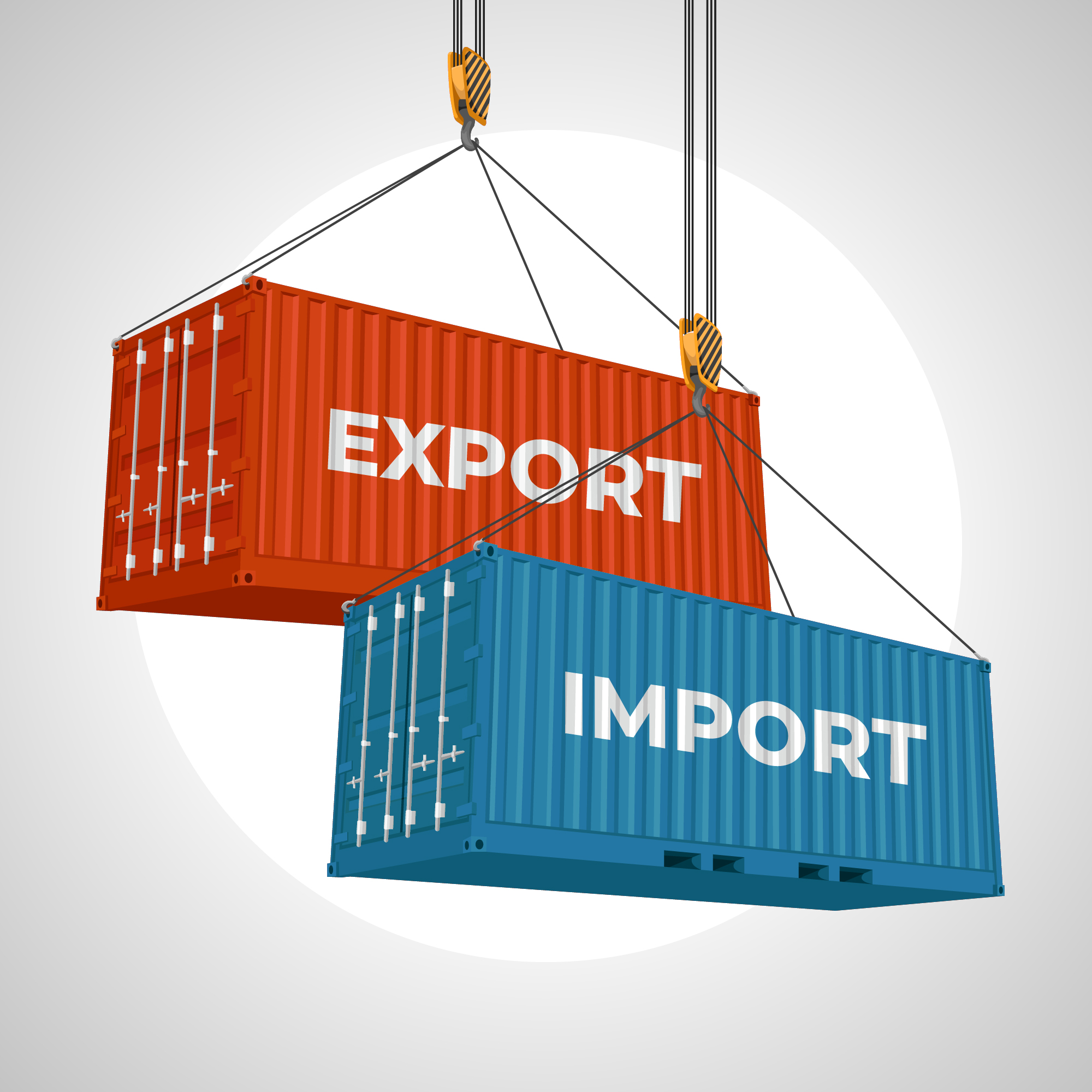
sIn 2025, Mumbai emerges as the epicenter for Indo-Japan trade synergies, with bilateral commerce targeting USD 100 billion by 2030, anchored by the 15th India-Japan Annual Summit's commitments to resilient supply chains. As India's export powerhouse, the city facilitates seamless market entry for Japanese firms via dedicated desks at the Mumbai International Airport and JNPT port, streamlining customs for electronics, autos, and machinery. Japan's USD 68 billion investment pledge opens doors to preferential tariffs under the Comprehensive Economic Partnership Agreement (CEPA), enabling Japanese exporters to capture 20% more market share in Mumbai's USD 500 billion consumer economy.
USD 100 Billion
Japan-India Trade Targets by 2030
Bilateral trade target by 2030
The 15th Japan-India Annual Summit Meeting
Specify supply chain enhancement
15th India-Japan Annual Summit
USD 68 Billion
Japan's Investment Commitment to India
Japan’s investment pledge
Priority Desks at Airports and Ports
Fast customs clearance assistance
Dedicated fast-track desks
By 2025, Mumbai is emerging as the central gateway for Indo-Japan trade and market entry, supported by a bilateral trade target of USD 100 billion by 2030. The 15th India-Japan Annual Summit reaffirmed strong commitments to building resilient and diversified supply chains.
As India’s leading export hub, Mumbai enables seamless market entry for Japanese companies through dedicated support desks at Mumbai International Airport and JNPT Port, streamlining customs procedures for electronics, automotive, and industrial machinery sectors.
Japan’s USD 68 billion investment commitment to India further unlocks access to preferential tariffs and policy incentives, creating a highly favorable entry environment for Japanese enterprises.
We provide end-to-end support across
• Market research
• Regulatory and customs compliance
• Local partner identification
• Go-to-market execution
ensuring fast, compliant, and scalable market entry between Japan and India.